
Community
23
2026
You’re Not Alone: Building A Network of People Who Support Immigrants
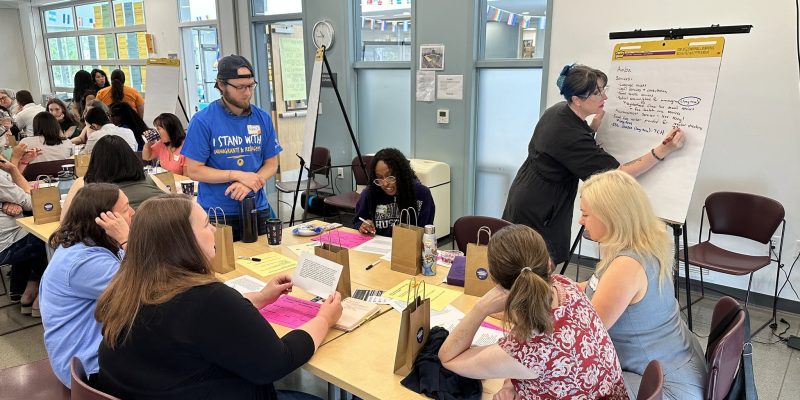
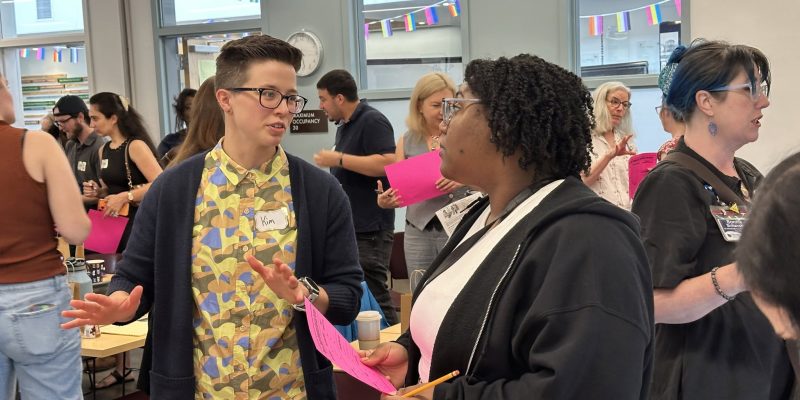 Immigrant Services Providers Coaltion members identify needs and opportunities for ensuring immigrant families have the resources, advocacy and support they need.
“You’re here to see me? How did you even know I was in here?” That’s what one person asked Aimee Khuu, executive director of Tacoma Community House, during a visit to the Tacoma Northwest Detention Center earlier this year.
“I had never visited someone in detention there until one of our students was detained. I started visiting people there quite a bit, and every time I went in and heard someone’s story, I started realizing that there was something they needed that they didn’t know how to navigate.”
Aimee has heard about many needs during her visits: finding a place for children whose parents or grandparents had been detained, rental help for spouses and children when the person detained was the family’s only income, and rides when a family’s only driver had been detained.
“As our organization got more involved with supporting families that had experienced separation, we realized that there wasn’t a lot that was happening to protect and support families in the midst of this incredibly difficult hardship.”
Aimee brought together a few partner organizations. Even within that small group, she found that “it wasn’t clear how to do referrals between our organizations and what resources are available.”
Aimee is part of the Pierce County Resiliency Hub. She shared the challenges she and her partners found at a meeting. Other Hub members talked about services their organizations offer that could help or might already be helping. Aimee saw the problem wasn’t a lack of support; it was a lack of connection among the people offering it.
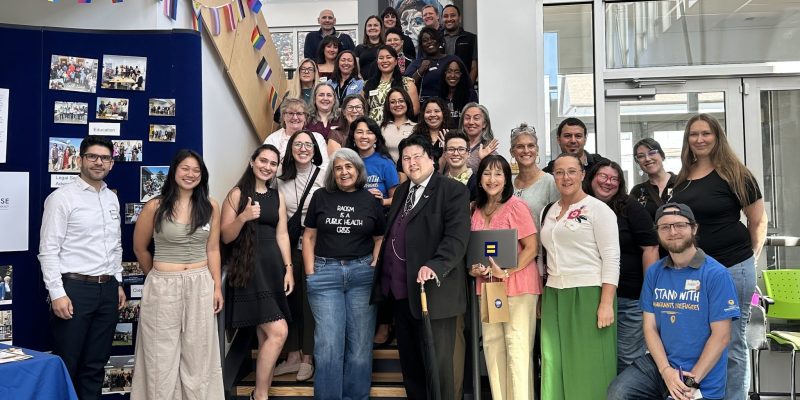
In July, Aimee and her partners, Mi Centro and Advocates for Immigrants in Detention Northwest (AIDNW) started the Immigrant Services Providers Coalition. More than 60 people from 45 Pierce County and Washington State organizations came to Tacoma Community House for the coalition’s first meeting.
“I think what became really clear is people want to help, and they are doing things to support immigrant families at their various organizations, but we’re not always very coordinated about it. It takes being together and making sure that people have time to be in the room and have real conversations, exchange contact information, and have each other’s direct line.”
Those connections are already working. Tacoma Community House brought on two AmeriCorps volunteers to support more detention visits, and the coalition is building a shared resource directory and referral system.