
Community
29
2026
Community is the Recovery Plan: 2025 Network Funding Spotlight
Guiding Focus of Network
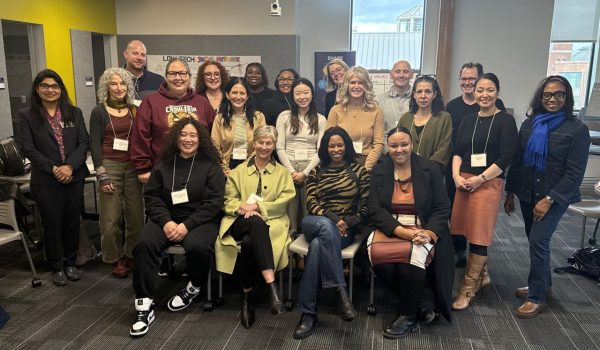
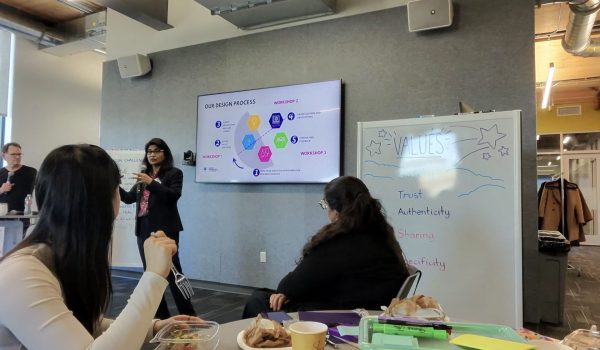
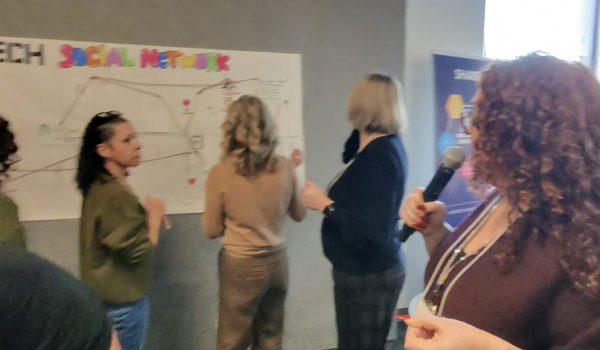
Convening local organizations for a human-centered design project titled, “Community Is the Recovery Plan”. This group has engaged the University of Washington Tacoma’s Global Innovation and Design (GID) Lab to facilitate a design sprint to address the question: How might we, as social, human and behavioral health service organizations that center and or intersect with children and youth impacted by child welfare, come together to create a resource that maps out actors, gaps, risks and opportunities, so we can better connect services?
How Network Was Formed
Over the past few months, Joe Le Roy, CEO, HopeSparks and Fahren Johnson, CEO, Amara, engaged in discussions together and with other leaders in community around how to collaborate to bridge gaps in direct service while navigating systemic barriers and current state/federal budget cuts that will impact a sector we all intersect with: children, youth and families impacted by or at risk of being impacted by the child welfare system.
As many are aware, Amara, a 100-year-old organization, is dedicated to the well-being of children and youth impacted by the child welfare system which includes: licensing and child placement, foster care, kinship connection, youth development, and Resource Care supports and services. HopeSparks- Partnering Organization on this project, is also a centurion organization that provides services to children impacted by the child welfare system and runs Pierce County Relatives Raising Children and Kinship Navigation Programs & Behavioral Health work.
The organizations in Community Is The Recovery Plan are each rooted in our work as experts in social, human and health services, but together we see how the children, youth and families they all support—specifically those impacted by child welfare—deeply intersect with Youth Development, Behavioral Health, Housing, K12 & State Agencies.
Shared Success That Have Emerged From This Network
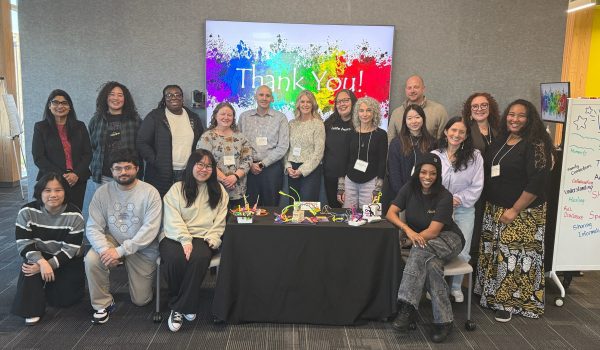
Most of the orgs that participated in this project know each other well, but this is the first time we have all been in space together to actually talk about our intersections and how we can tighten our network and create shared resources that continue to wrap the level of support around those impacted by child welfare.
1-2 Big Goals Your Network is Hoping to Achieve in 2026
- Create an asset or assets, that can be used as a shared resource hub where organizations can list their resources/services and caregivers. The goal is for this resource to be a “one stop shop-no closed door” hub where Foster parents, bio parents, kinship parents, guardians to access real-time resources.
- Build a lived-experience Parent-Peer mentor model, that will be available to connect with caregivers through the “one stop shop-no closed door” hub.
Advice For Others Looking to Leverage Networks to Help Build a Thriving Community
Challenges to Anticipate
When we are closer together, we really are better together, networks are meant to activate, so having a clear purpose on what goals, outcome and next steps are trying to be achieved is critical.
With the business of the work we do, be flexible in how you want to accomplish your goals, we are all very busy, so we intentionally over invited, knowing not everyone is able to attend all of the workshops, but wherever they offered thought partnership in the timeframe of the work, was valuable and helped to contribute to the project purpose.
Tips for Navigating Challenges
There are many challenges right now, and it is easy to get distracted and start flailing in the whirlwind of it all. It is important to never make decision from that posture of “uncertainty/confusion” but from a place of levelness & peace; slowing down, taking a look at the challenge to ensure it has a clear strategy and alignment to the goals you want to reach. If it doesn’t, it is ok to pause until you do have the tools you need to navigate.
I hear this analogy a lot that if you fell into the ocean, the best thing to do first is to allow your body to relax and be still so that you can get your bearings and find the direction and flow of the current. If you are splashing around in panic, you will tire yourself out likely pulling your own self under. Learn how to stay alive.
How to Build Shared Goals
Be in alignment and agreement of what you are trying to accomplish and make it a part of your org strategy and plan. When you don’t do this, it makes it hard to design and collaborate together.