
Community
20
2025
Leadership Lessons For A Growing Community
Pierce County is growing fast. To help this community thrive as it grows, local leaders need to rapidly adapt to keep the good things going while also addressing emerging challenges and opportunities.
When it comes to leadership in Pierce County, you don’t have to go it alone. In this community, peer learning and collaboration are the hallmarks of successful leadership, even when obstacles seem overwhelming.
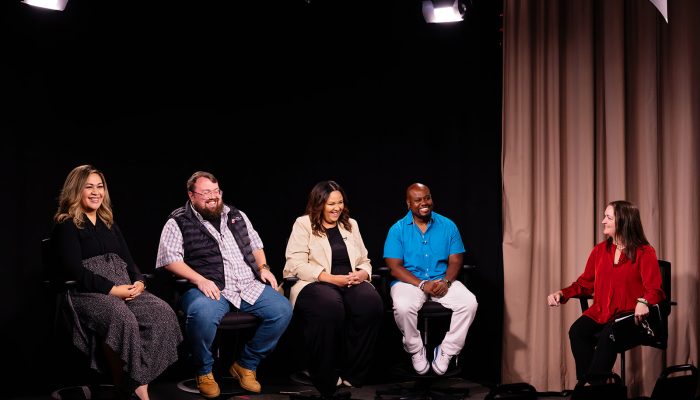
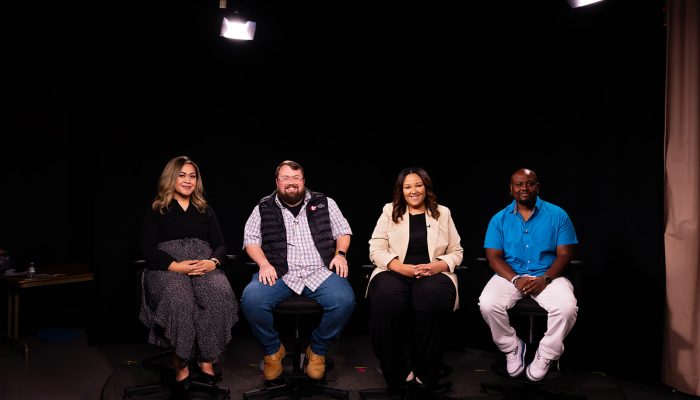
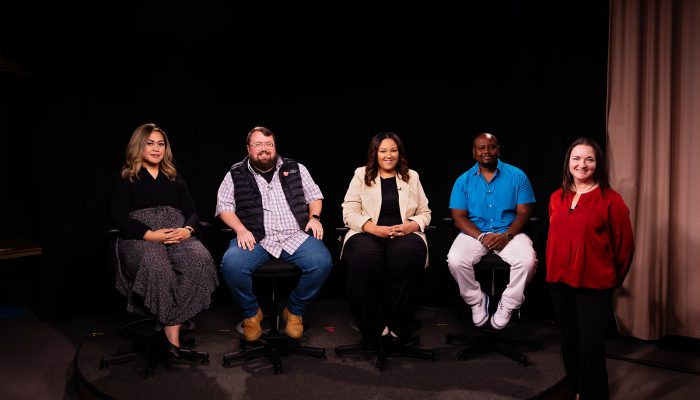
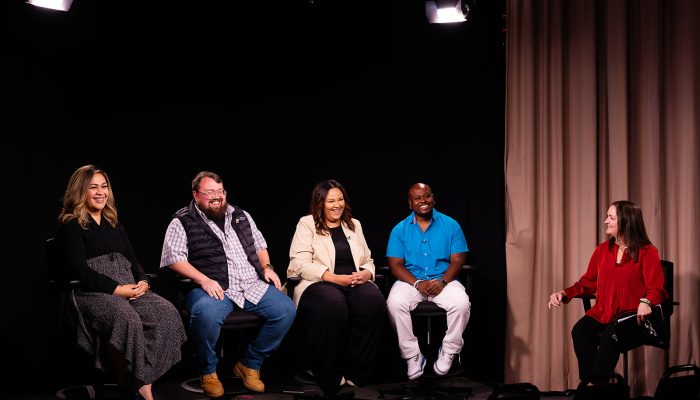
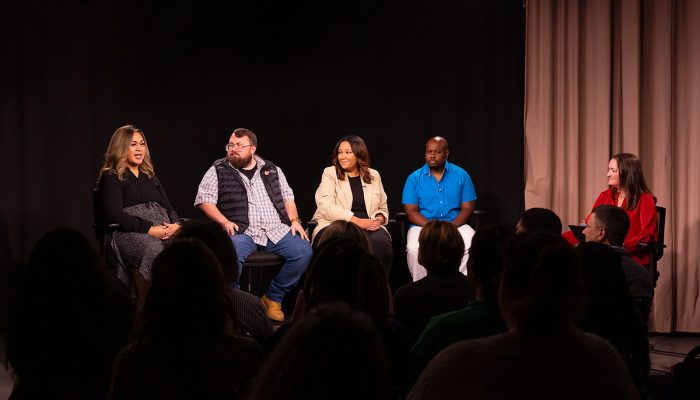
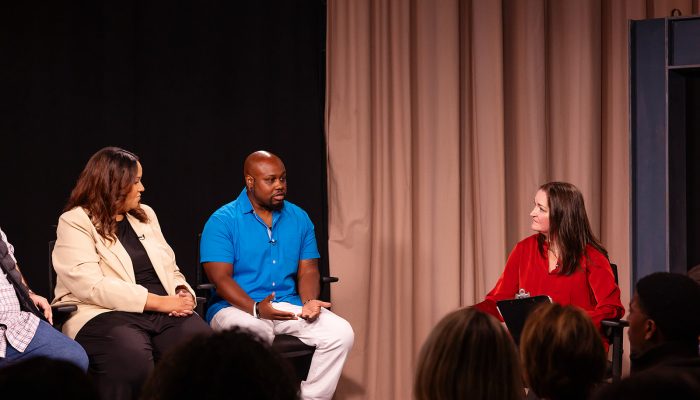
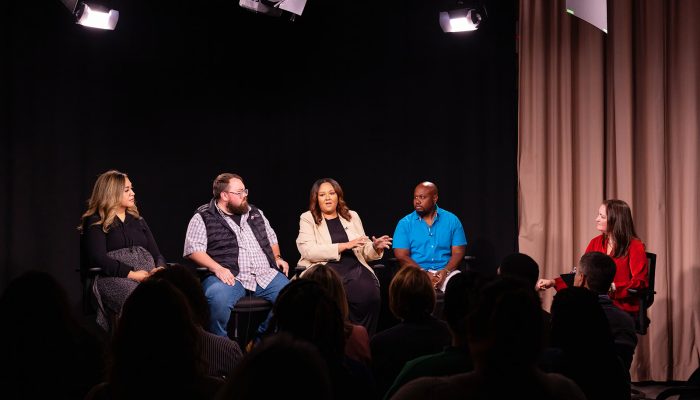
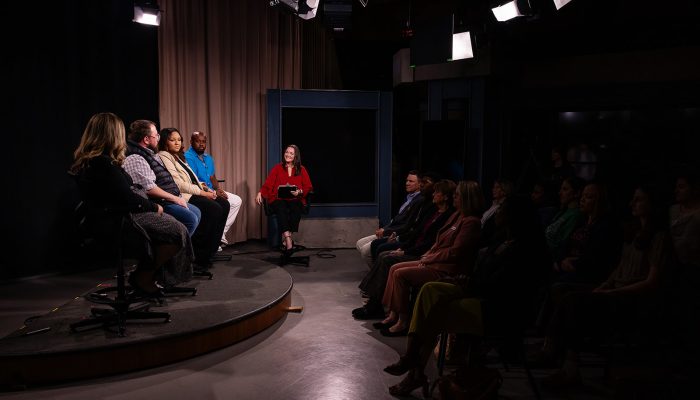
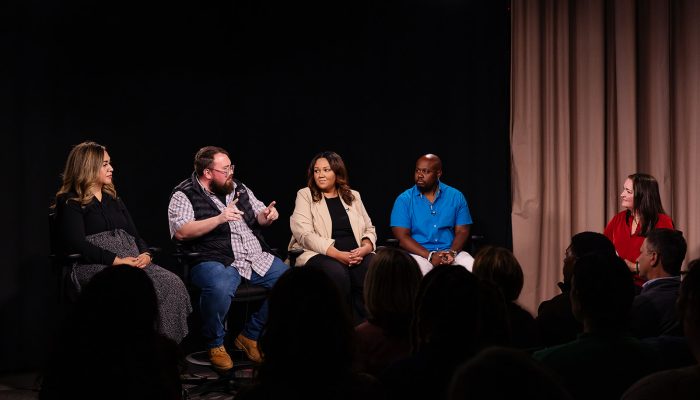
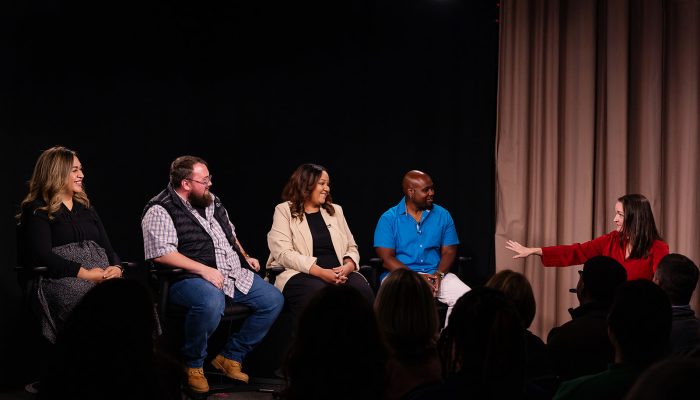
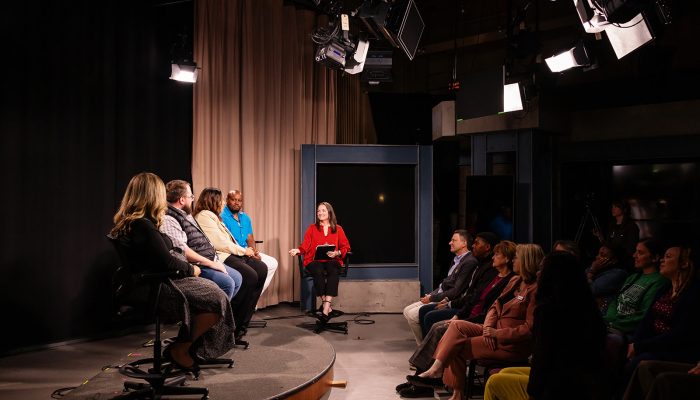
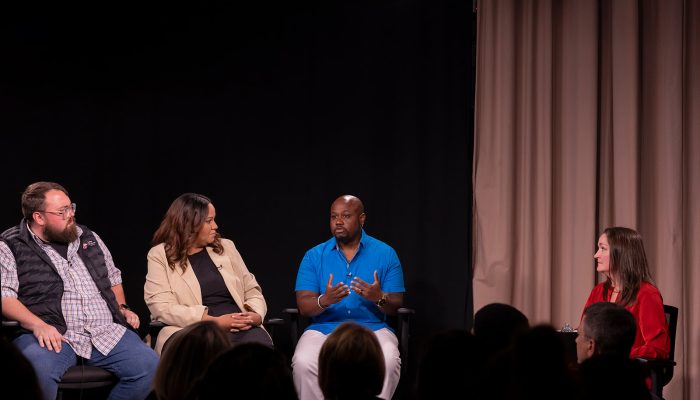
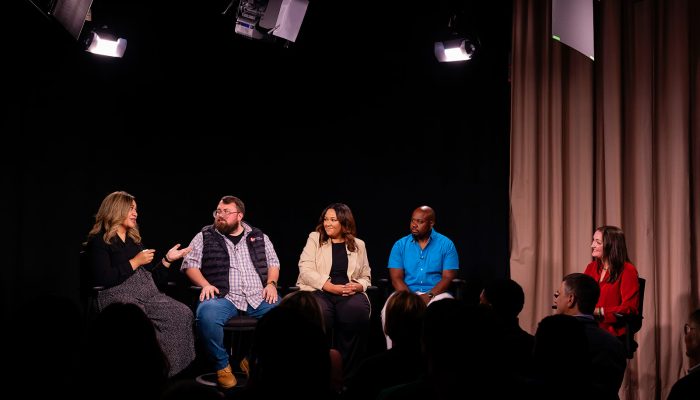
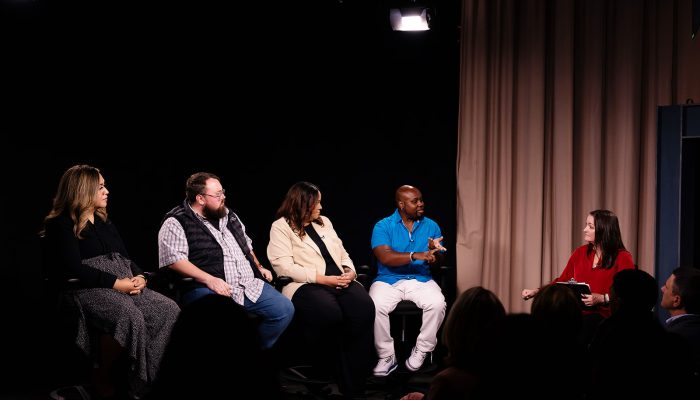
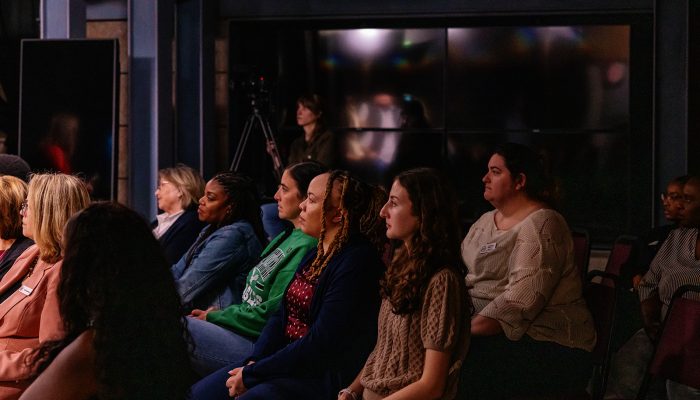
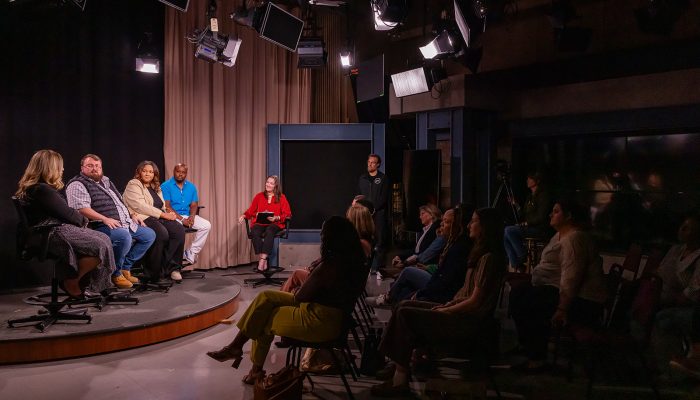
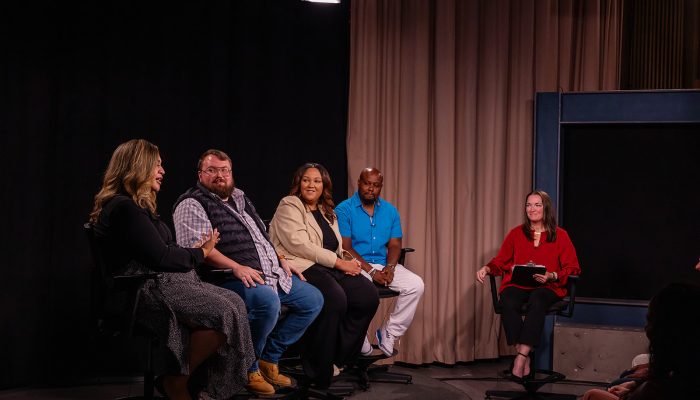
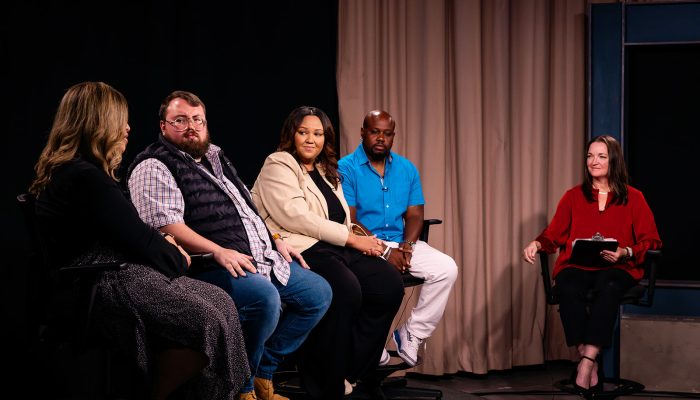
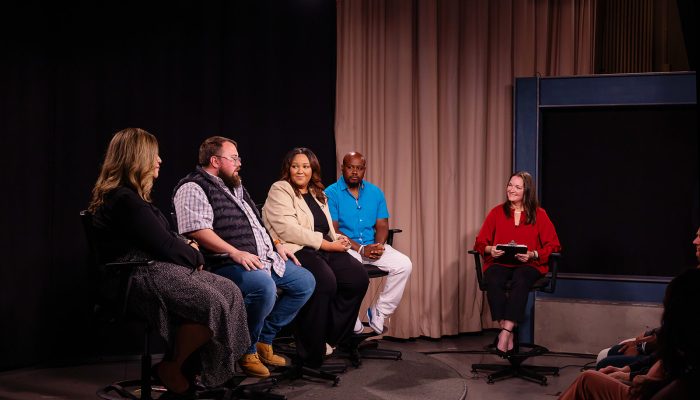
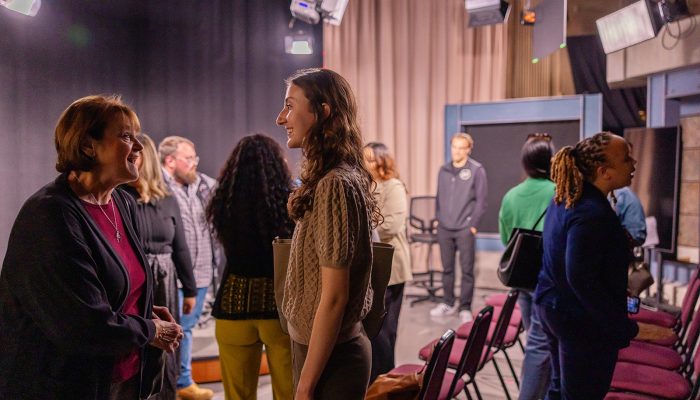
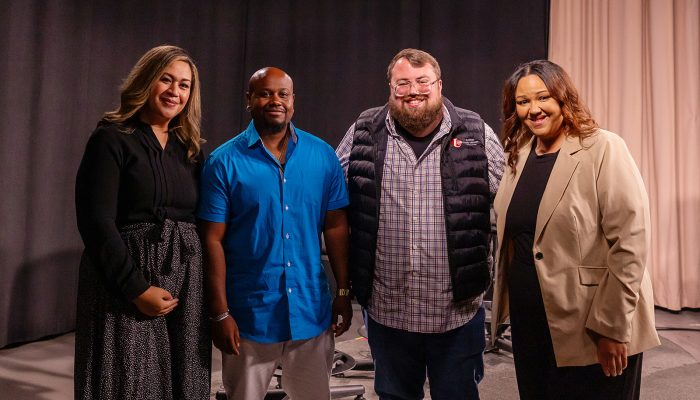
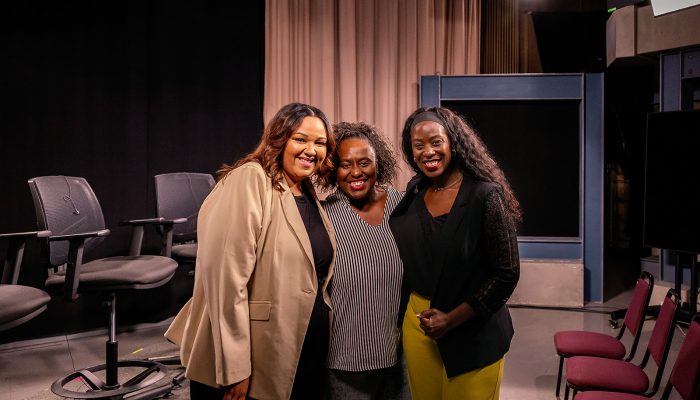
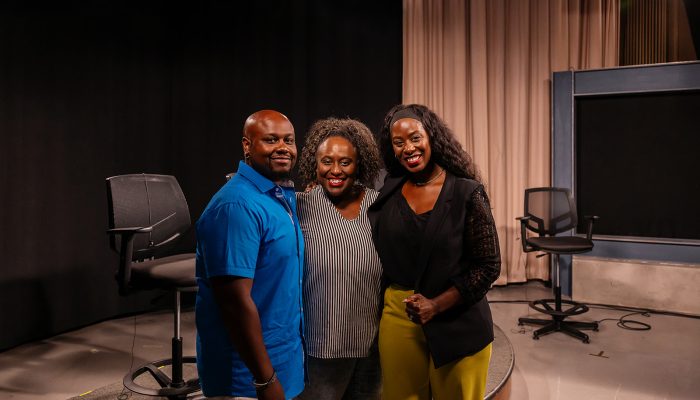
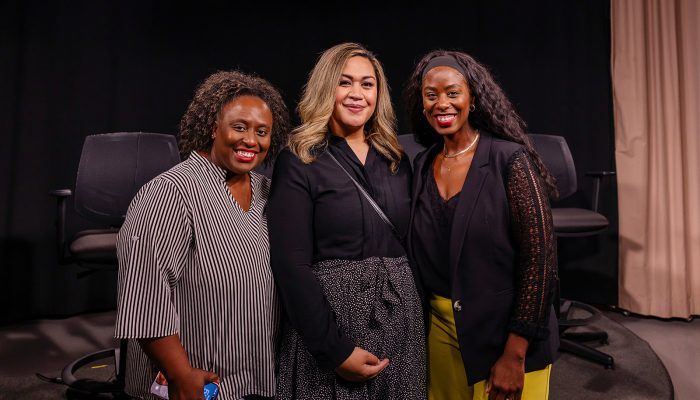
With that in mind, Greater Tacoma Community Foundation invited four nonprofit leaders in Pierce County to share their ‘secret sauce’. These panelists all grew up in Pierce County and now serve in leadership roles supporting youth and families in some of the county’s unincorporated areas from Parkland and Spanaway out to Graham and Roy.
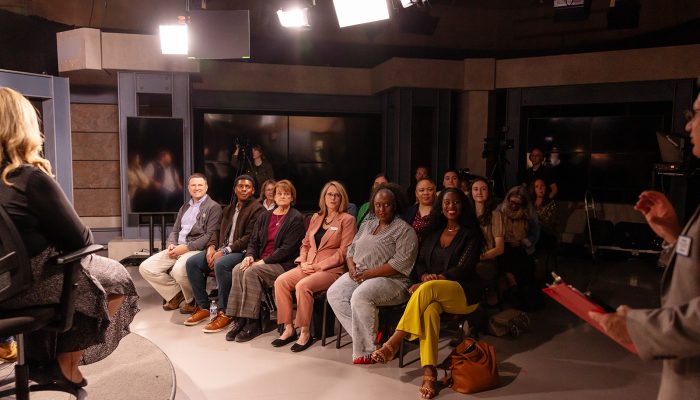
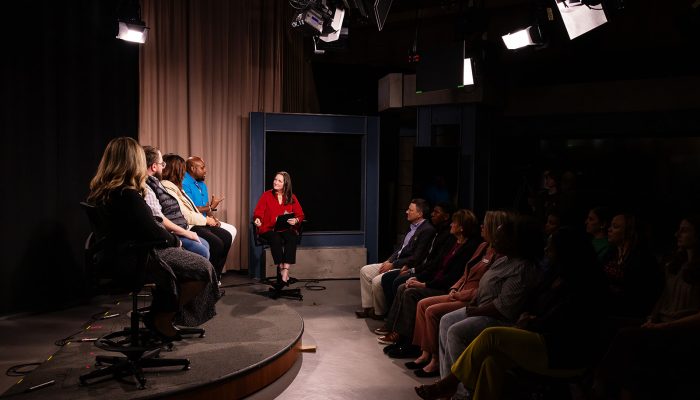
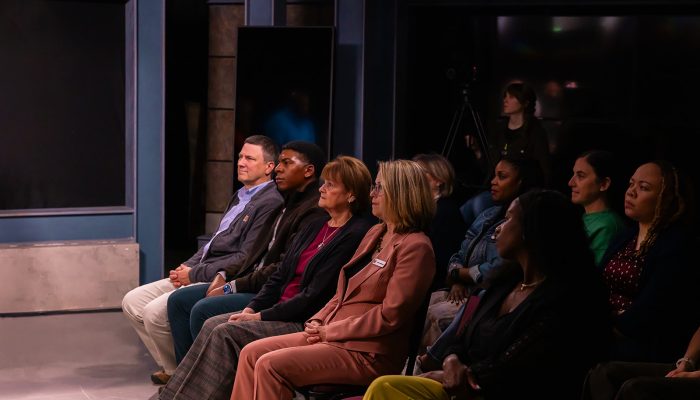
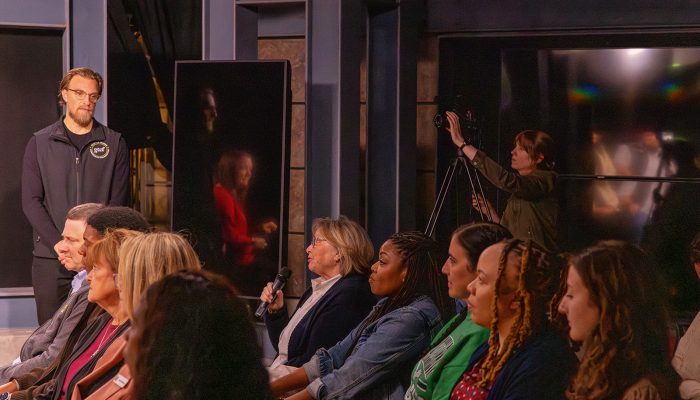
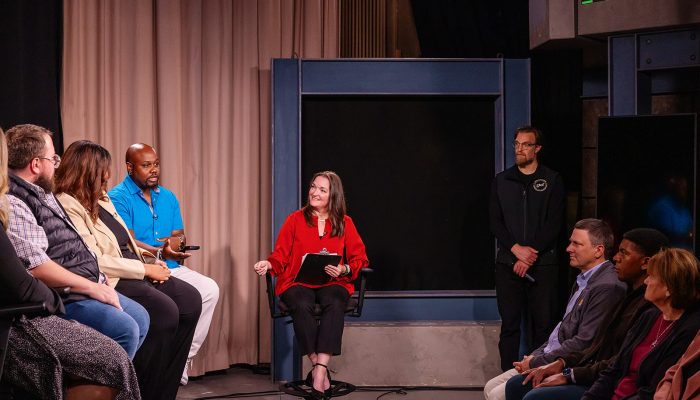
In a panel conversation, these four leaders offered stories and advice from their successes, failures, and trusted mentors.
Watch this video to learn from their leadership journey to help you take action to support your community as part of a thriving Pierce County.
Below, find some of the key takeaways shared by the panelists.
LEADERSHIP LESSONS FROM THE PANELISTS
DARIUS ALEXANDER

Community Connections Director, Bethel School District
- You always have to give people a voice. Don’t lead with your objectives. Hold them in the goal, but put the voice of the people who want to help in front and listen and let it shape things – even if you don’t agree.
- In leadership, if you’re willing to give feedback and evaluation, you should be willing to receive it on your end as well.
- We might be in a ‘resource desert’ but we’re not in a ‘people desert’. Sometimes people just need to know what the needs are and they will find the way to fill those gaps.
- Allow space for creativity. I’m clear that no one lives in a box. I say, tell me your thoughts and bring everything you got to the table.
ASHLEY MANGUM

Director, Kids Mental Health Pierce County
- As shiny as any new idea for outreach might be, it’s always important to engage community first.
- A lot like mental health, leadership isn’t about having no ‘bad days’ it’s about having the capacity to be flexible and adapt when those difficult times happen.
- We are each a piece of the puzzle, not the whole picture. When we focus on our scope and role, we can be a better puzzle piece and execute that role really well.
- You need to build a team both inside and outside of your organization who can help support you in your work and as an individual. I ask, ‘how can I show up for others?’ as well as asking others to show up for me.
TONO SABLAN

Executive Director, LeMay Family Collection Foundation
- It’s important for a community to be able to tell our own story on our own terms. Good leadership empowers people to do that.
- As an empathetic person I wanted to help fix every issue, but a mentor helped me understand that it’s also good to stop and take a beat before jumping to ‘fix’. Taking a moment to analyze the situation from a 10K ft view can prevent more damage from occurring.
- When you come to others in community through the lens that ‘I’m here to serve you’, not ‘how can you serve me?’ I think you come to those mutually agreeable solutions a lot quicker.
- To have longevity in this work, you need to have a community of people around you that you can lean on.
QUEENA TUPOU

Executive Director, Blue Zones Project Parkland-Spanaway
- Don’t assume you know what needs people have. Never just check the box when it comes to your work in leadership.
- In times of uncertainty there is an opportunity to reach out to the community you have around you and ask for help.
- We never know what kind of curveballs are going to come our way, but we have to put our “big kid pants” on and figure it out and find solutions.
- Stay grounded in your purpose and mission, strengthen your collaborations and be transparent with your team and community. We can navigate uncertainty by building trust and identifying solutions that are rooted in our values.