
Community
29
2026
Metropolitan Development Council (MDC): 2025 Network Funding Spotlight
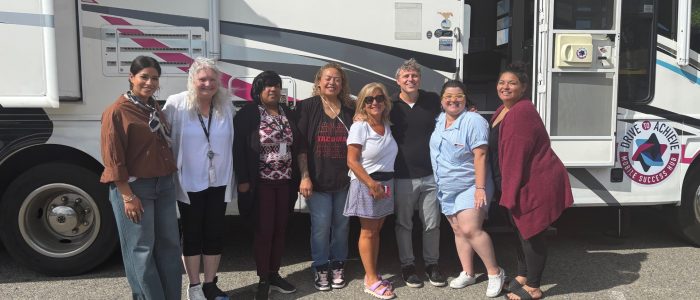 Congresswoman Emily Randall visits with MDC staff
Guiding Focus of Network
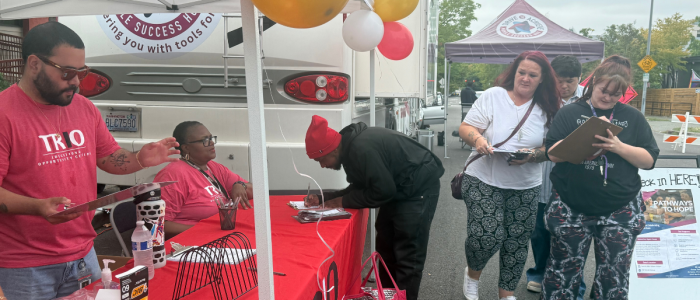
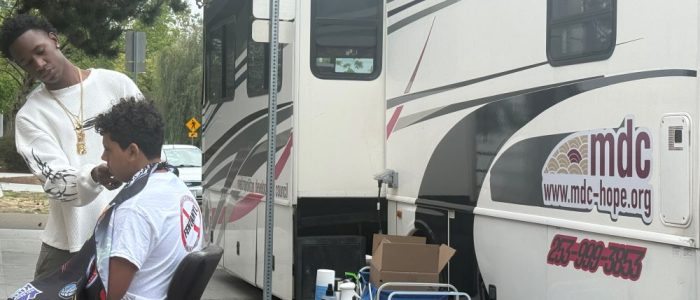
MDC provides a broad range of community-based services designed to reduce poverty, increase stability, and support long-term well-being for individuals and families across Pierce County. Our services span housing stability and homelessness prevention, coordinated entry and system navigation, substance use disorder and withdrawal management services, workforce and education programs, and core Community Action programs including energy assistance, weatherization, and family support.
Through this work, MDC serves people across the lifespan, often at moments of acute crisis, and works closely with public, nonprofit, and healthcare partners to ensure individuals are connected to the right services at the right time.
MDC’s role within the network is to bring a whole-person, systems-informed approach that emphasizes coordination, equity, data-informed decision-making, and practical solutions that reduce barriers and improve access.
How Network Was Formed
This network was formed to strengthen coordination among organizations serving individuals and families experiencing economic instability, housing insecurity, and other intersecting challenges in the Tacoma region. As service systems have grown more complex, it became increasingly clear that improved alignment, shared learning, and intentional collaboration were needed to reduce duplication, close gaps, and improve outcomes for community members.
Metropolitan Development Council (MDC) serves as the designated Community Action Agency (CAP) for the Tacoma region. In this role, MDC is charged with addressing the causes and conditions of poverty through a comprehensive, community-wide approach. MDC’s CAP designation positions the organization to convene partners across housing, behavioral health, education, workforce development, energy assistance, and other critical systems, while maintaining close alignment with local, state, and federal priorities.
The network emerged from MDC’s longstanding partnerships with community-based organizations, public agencies, and service providers who recognized the value of working together more intentionally. Rather than operating as a standalone initiative, the network builds on existing relationships and infrastructure, creating a space for coordination, problem-solving, and shared accountability. MDC’s role as the CAP agency enables the network to remain grounded in direct service experience while also focusing on system-level improvement, equity, and practical collaboration.
Through this network, partners work collectively to improve access to services, align practices where appropriate, and support more seamless pathways for individuals and families navigating multiple systems. The network is designed to be responsive to community needs and adaptive over time, reflecting both emerging challenges and opportunities for deeper collaboration.
Shared Successes That Have Emerged From This Network
Through sustained collaboration and shared problem-solving, the network has produced meaningful outcomes that demonstrate the value of coordinated action. By aligning services, reducing silos, and strengthening referral pathways, partners have been able to respond more effectively to urgent community needs.
One significant success has been the expansion of withdrawal management and detox services. Through coordination with healthcare providers, behavioral health partners, and referral networks, capacity has increased and access has improved for individuals seeking timely, medically supported detox services. This collaboration has helped reduce barriers to entry, strengthen continuity of care, and support better stabilization and recovery outcomes for people experiencing substance use crises.
Another shared success is the network’s collective impact on energy stability. Through coordinated outreach, streamlined referrals, and strong partnerships, more than 6,000 households have received energy assistance, helping individuals and families keep their lights on and maintain safe, stable housing. This work has been especially critical during periods of rising utility costs and economic uncertainty, preventing service shutoffs and reducing the risk of housing instability.
Together, these successes reflect the network’s ability to address both immediate crises and longer-term stability needs. By leveraging the strengths of multiple partners, the network continues to deliver tangible, measurable benefits for the community while building a stronger, more responsive system of care.
1-2 Big Goals Your Network is Hoping to Achieve in 2026
In 2026, the network aims to significantly expand its collective impact by serving more than 15,000 individuals and families across the Tacoma region through coordinated services that promote stability, access, and long-term well-being.
In parallel, the network seeks to strengthen community connection by deepening collaboration among providers, residents, and systems, creating more aligned, responsive, and people-centered pathways to support.
Advice For Others Looking to Leverage Networks to Help Build a Thriving Community
Challenges to Anticipate
- Building and sustaining a strong network takes time and intentional effort. One common challenge is balancing collaboration with capacity, as partners often have limited staff and resources while managing high community demand. Networks must be mindful not to add burden or complexity without clear value.
- Aligning priorities and timelines across organizations can also be challenging. Partners may operate under different funding requirements, performance measures, and constraints, which can slow decision-making or implementation if not addressed early and transparently.
- Data sharing and communication present another ongoing challenge. Differences in systems, privacy requirements, and data readiness can limit the ability to fully align practices or measure shared outcomes, requiring patience and incremental progress.
- Maintaining momentum over time requires continuous trust-building and clear purpose. As leadership, funding, or external conditions change, networks must remain adaptable while staying anchored to shared goals and community needs.
Tips for Navigating Challenges
- Clear, consistent communication is essential. Establishing shared expectations, regular touchpoints, and transparent decision-making helps partners stay aligned and reduces misunderstandings as work evolves.
- Patience is equally important. Networks take time to mature, and meaningful collaboration rarely happens overnight. Allowing space for relationship-building, learning, and adjustment helps partners move forward together, even when progress feels incremental.
- Approaching challenges with openness and flexibility strengthens trust. Being willing to listen, adapt, and revisit decisions as conditions change allows the network to remain resilient and focused on long-term impact rather than short-term obstacles.
How to Build Shared Goals
Building shared goals requires acknowledging that many organizations are often positioned in competition with one another for funding, resources, and visibility. To collaborate effectively, partners must be willing to set aside organizational pride and shift the focus from individual success to collective impact.
Creating space for honest dialogue helps establish trust and alignment. When partners are transparent about constraints, priorities, and pressures, it becomes easier to identify common ground and define goals that benefit the broader community rather than any single organization.
Shared goals are strongest when they are rooted in the needs of the people being served. Centering community outcomes over organizational identity helps networks move beyond competition and toward collaboration, reinforcing the idea that progress for one partner strengthens the system as a whole.
Any Additional Advice
Networks work best when relationships come first. Invest time in listening, building trust, and understanding each participant’s needs and capacity. Shared infrastructure and shared goals should grow out of those relationships, not be imposed from the top down.