
Community
29
2026
Tacoma Tree Foundation: 2025 Network Funding Spotlight
Guiding Focus of Network
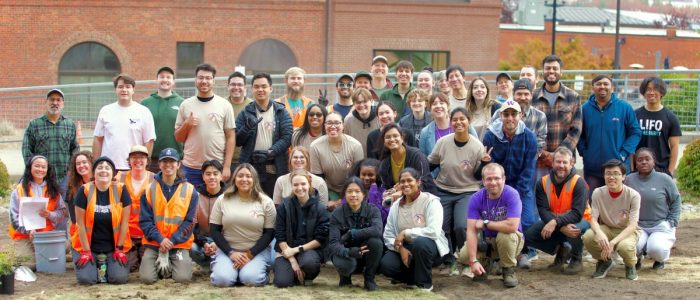
Tacoma Tree Foundation (TTF) is focused on growing community stewardship of the urban forest across Greater Tacoma through planting, education, and advocacy. Our planting efforts are focused on the neighborhoods with fewer trees, which also tend to be more diverse. To ensure that our tree equity efforts are successful, we support our planting by providing free tree care education, technical and creative workshops, and nature walks. Through this robust multigenerational education program, we provide points of connection to people to share their love for our region’s environment.
How Network Was Formed
Tacoma Tree Foundation was founded in 2018 by a small group of residents who knew Tacoma’s tree canopy coverage was low. Aware of the myriad benefits of trees and inspired to build a movement that would center Tacoma’s communities, they decided to found this organization. Over the past few years, TTF has steadily grown while collaborating with many community partners, from local governments like City of Tacoma, Pierce County, and the Puyallup Tribe of Indians), to organizations like the University of Washington, The Nature Conservancy, and Hilltop Urban Gardens.
Shared Successes That Have Emerged From This Network
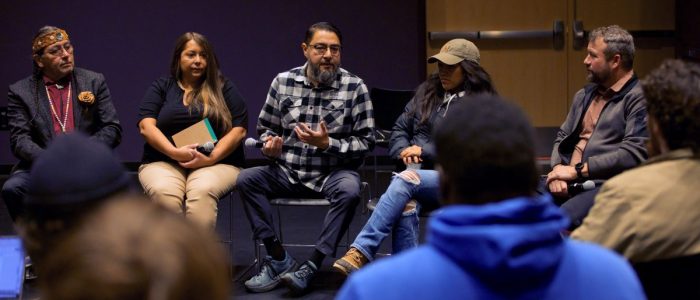
TTF is motivated by the City of Tacoma’s goal to increase the tree canopy coverage to 30% of land area, and by the concept of tree equity, which considers socioeconomic factors alongside environmental ones. Last year, a new City report showed that tree canopy recently increased by 1%. It seems small, but this is a huge success, especially given the changing climate and the many odds that trees must face growing in an urban environment! In 2024, Tacoma Tree Foundation secured its first multi-year federal grant, which supports three years of the Green Blocks program in Tacoma’s Hilltop neighborhood. Green Blocks is Tacoma Tree Foundation’s neighborhood-specific program whose goal is to empower residents by reducing barriers, providing tree care education, and assisting in tree selection, delivery, and planting. The focus of these efforts is centered in neighborhoods where the need for trees, greening, community health, and human well-being are the greatest. TTF also coordinates the Tacoma-Pierce County Climate Leadership Cohort. This unique program brings together residents from across the county for a multi-day training designed to support them and their communities in addressing the climate change issues that are impacting them the most. The program invites local leaders, elected officials, activists, and organizers to share their work on food justice, sustainable housing, sustainable transit, ecological restoration, and civic engagement.
1-2 Big Goals Your Network is Hoping to Achieve in 2026
In 2026, TTF is increasing the level of education we provide by piloting the first advanced Tree Stewards training, which will complement the basic tree care and planting instruction with education on technical tree care, climate change, and tree policies. An additional effort will provide urban forestry expertise to Tacoma Public School teachers for use in their STEM teaching. The teachers will learn about local species and tree issues that they can take back to their elementary students to help them connect with the nature that grows where they live, play, and learn. With the recent news that Tacoma Tree Foundation is joining the Tacoma Public Library’s Community Hub, our goal is to further increase access to tree planting and tree-focused educational opportunities while growing our organization’s capacity.
Advice For Others Looking to Leverage Networks to Help Build a Thriving Community
Challenges to Anticipate
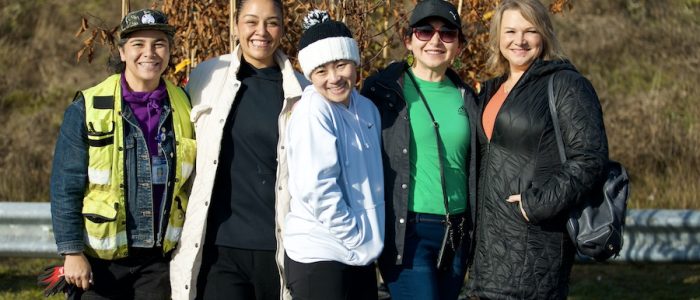
One challenge that many organizations face is, how effectively are we reaching the communities we intend to serve? At Tacoma Tree Foundation, our success has been built on sustained and often unexpected partnerships, such as collaborations with the Northwest Sinfonietta and the women’s health nonprofit Caminemos Juntos. While we are proud that a high percentage of our programs and services reach people in our priority neighborhoods, more work remains to be done to ensure that trees and critical knowledge about trees do not remain concentrated among our region’s most privileged communities. Successful strategies like engaging with residents in their own languages, creating new pathways for learning, and building long-term community relationships may be useful for organizations of all kinds.
Tips for Navigating Challenges
TTF was founded in 2018, which means it was barely a year old when the pandemic hit. Suddenly, our entire reason for being—to grow community by planting together—was completely undermined! However, this time allowed us to develop our Nature Explorers youth curriculum, an online and zine based free resource for parents and teachers, and our webinar series. Both have continued to be core parts of our education program to this day. In addition, we learned how to plant safely under challenging circumstances once restrictions were lifted. People wanted to be together, and this less than ideal situation nevertheless helped us affirm the importance of community. Our advice here is to remain open to flexibility and change when it is needed. Oftentimes, these difficult circumstances open up creative ways to do our work that actually enhance what we do and help us value the most essential aspects of our work.
How to Build Shared Goals
Every single project we host or co-lead is the result of shared goals. This work requires meeting, ideally in person, sometimes many times, to make sure we understand each other’s needs, strengths, and values, and establish trust. Sharing goals sometimes requires compromise, but knowing when and what to let go of is easier if the value and impact of the shared goal is clear. Once needs, strengths, and values are clear and aligned, then building the shared goal requires understanding who the work is for, how to get them involved and make them a part of the work, and what this collaboration requires of each member of the network.
Any Additional Advice
Everything we are doing is urgent and necessary. But moving at the pace of this urgency is not necessarily the best way to reach the desired outcome. At TTF, we look to trees as teachers who remind us that they take a very long time to reach maturity—on purpose. The tree’s slow growth allows its roots to expand outward to absorb the most nutrients. Each season, as the trunk sways in the wind, the tree’s bark grows stronger and thicker to stand tall and steady. By slowing down to grow intentionally, we hope to grow strong and healthy as an organization. And just as the tree needs our help with careful pruning so that its branches don’t fall due to their weight or an imbalance in the tree’s structure, we need our teams and networks to help us correct course when necessary and let go when needed. Slow, intentional, and collaborative growth will help us reach maturity successfully!